
Enhancing Your Garden with Efficient Irrigation Systems
July 2, 2024
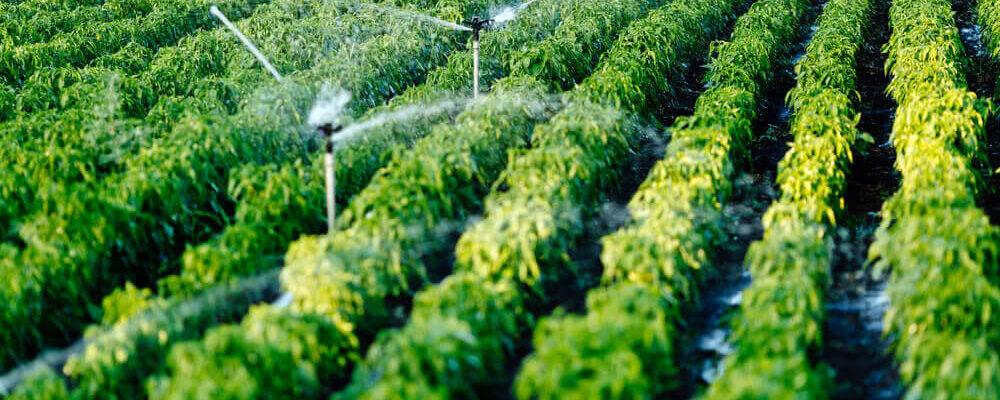
Maintaining a lush and thriving garden requires proper hydration, especially in regions with varying climates like Melbourne. Garden irrigation systems offer a strategic solution to efficiently deliver water to plants, ensuring they receive adequate hydration without wastage. This blog post explores the benefits of different garden irrigation systems, installation tips, and maintenance practices to keep your garden flourishing year-round.
Benefits of Garden Irrigation Systems
- Water Efficiency: Irrigation systems like drip irrigation and sprinkler systems minimize water wastage by delivering water directly to plant roots. This targeted approach reduces evaporation and runoff, making it a sustainable choice for water-conscious gardeners.
- Promotes Plant Health: Consistent watering is crucial for plant health. Irrigation systems maintain optimal soil moisture levels, preventing under-watering or over-watering that can stress plants and lead to disease.
- Time-Saving: Automated irrigation systems save time compared to manual watering. With programmable timers and sensors, you can set watering schedules based on plant needs and weather conditions, ensuring efficient water use without constant monitoring.
- Versatility: Garden irrigation systems can be customized to fit various garden sizes and types of plants. Whether you have a small backyard garden or a larger landscaped area, there’s an irrigation system suitable for your needs.
Types of Garden Irrigation Systems
- Drip Irrigation: Drip irrigation delivers water directly to the base of plants through a network of tubes and emitters. It’s ideal for gardens with individual plants or rows of crops, promoting water conservation and minimizing weed growth.
- Sprinkler Systems: Sprinkler systems use overhead sprayers or rotors to distribute water across larger garden areas. They’re versatile and suitable for lawns, flower beds, and vegetable gardens, offering even coverage and adjustable spray patterns.
- Soaker Hoses: Soaker hoses release water slowly along their length, delivering moisture directly to the soil. They’re effective for gardens with closely spaced plants or flower beds, ensuring thorough watering while reducing surface runoff.
- Micro-Sprinklers: Micro-sprinklers are similar to traditional sprinkler systems but designed for smaller areas or container gardens. They provide gentle, targeted watering and can be adjusted to accommodate different plant heights and spacing.
Installation Tips
- Plan Your Layout: Before installing an irrigation system, map out your garden to determine where water needs are highest and where pipes or hoses will be placed. Consider factors like plant type, sun exposure, and soil type.
- Choose the Right Components: Select irrigation components that match your garden’s needs, such as drip lines for precise watering or rotors for expansive lawn coverage. Ensure all components are compatible and sized appropriately for water pressure and flow rates.
- Prepare the Soil: Ensure the soil is adequately prepared before installing irrigation lines or hoses. Loose, well-amended soil promotes better water absorption and root growth, optimizing the effectiveness of your irrigation system.
- Test and Adjust: After installation, test the system to check for leaks, uneven water distribution, or other issues. Make adjustments as needed to ensure uniform coverage and efficient water use.
Maintenance Practices
- Regular Inspections: Conduct routine inspections of your irrigation system to check for leaks, clogs, or damaged components. Addressing minor issues promptly can prevent larger problems and extend the system’s lifespan.
- Seasonal Adjustments: Adjust watering schedules seasonally to accommodate changing weather conditions and plant growth stages. Increase frequency during hot, dry periods and reduce watering in cooler months to prevent waterlogging.
- Clean Filters and Nozzles: Clean filters and nozzles regularly to prevent clogging and ensure optimal water flow. Replace worn-out or damaged components to maintain system efficiency.
- Winterization: In colder climates like Melbourne, winterize your irrigation system before temperatures drop to prevent freezing and damage to pipes or hoses. Drain water from lines and protect exposed components.
Garden irrigation systems are essential tools for maintaining healthy, vibrant gardens while conserving water and saving time. Whether you choose drip irrigation, sprinkler systems, or soaker hoses, implementing the right irrigation system tailored to your garden’s needs can transform your gardening experience. By investing in efficient irrigation practices and following proper installation and maintenance guidelines, you can ensure your garden thrives year-round with minimal effort and maximum sustainability.
Stone paving offers a durable and aesthetically pleasing solution for creating pathways, driveways, and outdoor living spaces. It involves laying natural stone tiles or pavers in various patterns and configurations to complement the landscape design. Common types of stones used include bluestone, sandstone, granite, and limestone, each offering unique colors, textures, and durability levels.
The benefits of stone paving include its longevity, as natural stones withstand weathering and foot traffic well. Additionally, stone paving enhances curb appeal and adds value to properties by providing a timeless and elegant appearance. Maintenance typically involves periodic cleaning and occasional resealing to preserve the stones’ beauty and durability. Whether used in traditional or contemporary settings, stone paving remains a popular choice for homeowners looking to enhance their outdoor spaces with sophistication and practicality.