
Garden Boundary Hedge Cutting in Melbourne: Tips for Tidy Lines
September 30, 2026
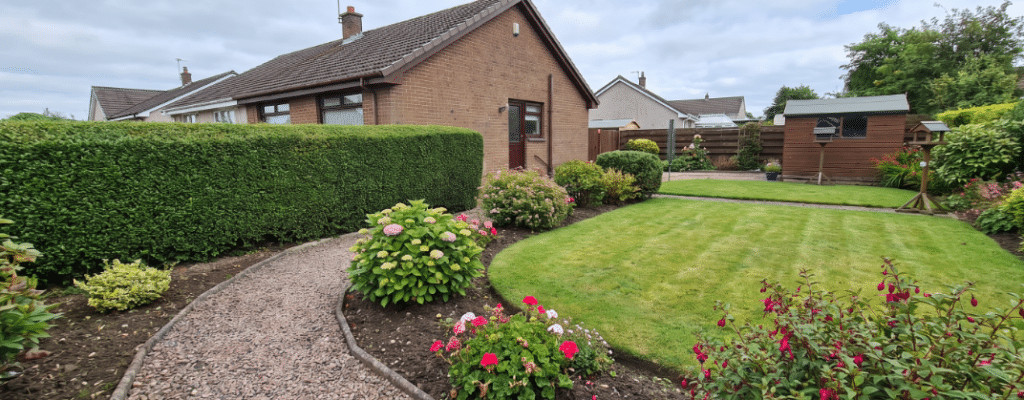
A neat boundary hedge does more than mark where your property ends. It provides privacy, softens fences and gives your garden a polished frame. Yet when hedges grow unchecked, they spill onto footpaths, annoy neighbours and lose their shape. Garden boundary hedge cutting in Melbourne calls for the right timing, technique and awareness of local rules. These practical tips will help you achieve tidy lines all year round.
Know Your Boundary Rules
Before you pick up the shears, confirm who owns the hedge. In Victoria, a hedge planted on the boundary is often a shared responsibility, while one wholly on a neighbour’s land belongs to them. You may trim what overhangs your side, but only up to the boundary line. Talk to your neighbour first, since a friendly chat prevents most disputes. Also check whether your council applies height limits for front fences and hedges, particularly on corner blocks where sightlines matter.
Choose the Right Time
Timing affects both appearance and plant health. Most formal hedges suit a main trim in late spring or early summer, once the first flush of growth has hardened, with a light tidy in autumn. Avoid cutting in extreme heat, which can scorch exposed leaves. Check for nesting birds before starting, because disturbing active nests is harmful and may breach wildlife laws.
Use Sharp Tools and String Lines
Clean cuts heal faster and look better. Use sharp, well-oiled hand shears for small hedges and a quality hedge trimmer for longer runs. Stretch a string line between two stakes to guide the top edge, and use a spirit level for perfectly flat tops. Work in steady, overlapping passes and step back regularly to check the overall line.
Shape the Sides with a Slight Taper
A hedge that is wider at the base than the top lets sunlight reach lower branches, preventing bare, woody patches. Keep the taper gentle and consistent. Trim a little often rather than cutting hard into old wood, since many hedge species will not regrow from bare stems. If a hedge is badly overgrown, stage the renovation across two or three seasons.
Watch for Trees Near the Hedge Line
Boundary hedges often sit beneath or beside larger trees, and storms can drop limbs straight onto them. After severe weather, inspect both hedge and canopy for splits, leaning trunks and hanging branches. If a tree threatens a fence, house or path, arrange emergency tree removal in Melbourne immediately rather than attempting a risky DIY fix. Qualified crews can make the site safe quickly and clear debris so the hedge can recover. Knowing a reliable provider of emergency tree removal in Melbourne before storm season arrives saves valuable time when it counts.
Clean Up and Care Afterwards
Rake clippings promptly, as piles left on the base can smother growth and harbour pests. Water deeply after trimming, add mulch to retain moisture and feed with a slow-release fertiliser. Keep an eye out for pests such as box moth caterpillar.
When to Call a Professional
Tall hedges, uneven ground and ladder work raise the risk of injury. Professionals bring insurance, proper equipment and green waste removal, and they know how to keep lines crisp across long boundaries. For large or neglected properties, hiring an expert is often faster and safer than tackling the job yourself.
Final Thoughts
Tidy boundaries come from good planning, sharp tools and regular attention. Master garden boundary hedge cutting in Melbourne and your property will look sharper, feel more private and stay on good terms with the neighbours. Trim little and often, keep a number for emergency tree removal in Melbourne handy, and enjoy crisp, tidy lines.